What Thanksgiving Dinner Has Taught Me About Being a Better Professor

Deep Fried Turkey by Demian, Heather, & Evelyn

As I sit here in the pre-dawn hours at my in-laws’ home in Biloxi, sipping my coffee in the dark, listening to nearly a dozen relatives snoring (mostly) quietly, I began to reflect on Thanksgiving and what it means to me. And inevitably, I started making connections between this traditional large family meal and my college classes. Why? I don’t know. But it popped into my head, so I went with it. I started thinking . . . what has Thanksgiving dinner taught me that has made me a better professor? And this is what I came up with.

Turkey: The best turkey I ever had was a deep-fried one. Mmmm. But boy oh boy can deep frying a turkey be a dangerous task. In my classes, sometimes I like to walk on the edge a bit with our discussions. I must always remember to keep the metaphorical fire extinguisher nearby, just in case of explosions.

Cranberry Sauce: It doesn’t all need to be sweetness and light in my classes. I can be tangy/tart and get some points across even better. I just need to watch for my snark level getting too high.

Dressing / Stuffing: Just like some folks prefer stuffing (cooked inside the turkey) and others prefer dressing (cooked outside), my students have preferred learning styles. If I want them all to learn, I need to offer both.

Rolls: At our house, the rolls were often an afterthought. Sometimes we baked them halfway through the meal and served them almost at the end. Great teaching ideas sometimes crop up last minute, too.

Gravy: The first time I had Thanksgiving with my in-laws, I saw my soon-to-be mother-in-law making hard-boiled eggs. When I asked, “What are the eggs for?” she looked at me quizzically and said, “For the gravy, of course.” It was that day that I learned that some of my preconceived notions about how things should be done were way off base. The gravy — hard-boiled eggs, gizzards & all — was wonderful. Sometimes I need to add something a colleague suggests, something that may seem off-base to me at first, into my classes just to mix things up a bit.

Green Bean Casserole: Has there ever been a tastier, yet less attractive, side dish? Sometimes the methods I use in my class may seem a bit slopped together, but I promise there is a method behind the madness, and it will all come out “tasting” wonderful in the end.

“Uncle Oscar”: I think everyone has that one relative — we’ll call him Uncle Oscar here — who you invite to dinner knowing full well he will attempt to monopolize the dinner conversation.  Consider making placecards and assigning seats for dinner. Whoever had the pleasure of sitting near Uncle Oscar last year gets to sit at the opposite end of the table this year. And in class, when I have an Uncle Oscar — the student who feels compelled to answer EVERY question I ask — I do my best to ask questions in a way so that Uncle Oscar doesn’t get the opportunity to answer first, at least. For example, I may say, “Let’s hear from two or three people who went to high school outside of the state of Florida,” knowing full well that Uncle Oscar is a local boy. Or “Let’s hear from the last person to take his or her seat in class today.” And many times, I’ll have whoever has just answered a question choose who answers the next question. This helps us hear from more voices and learn from more points of view than just Uncle Oscar, no matter how smart or sweet he is.

Black Olives: As I was growing up, my mother would always open a can of black olives and leave it in the fridge before Thanksgiving dinner. It always brought us into the kitchen so we could snitch an olive or two while she was cooking. Similarly, I leave a basket of candy in my office at all times. (I’m not confident my students share my affinity for black olives!) Some of the best conversations I have with my students are when they just happen to pop by for a Fireball, Nerds or a Snickers bar.

Dessert: My favorite part of Thanksgiving dinner is eating pie for breakfast the day after Thanksgiving. In my classes, I like starting with the fun stuff first, especially when the previous class (meal) was a bit on the heavy side.

Leftovers: With every Thanksgiving dinner, at least every Nixon one, comes leftovers. Lots and lots of leftovers. Well, we often have planned-overs (we cook extra of some of the food with intentions of having it for another meal later.) I frequently give students bite-size chunks of information on one day that I intend for them to repurpose another day in class. The key is getting them to remember the information from the previous day. If anyone has tips for this, please share!

So what has Thanksgiving dinner taught YOU about being a better professor — or better student?
Letter of Recommendation Request

If you’re a student of mine who is requesting a letter of recommendation from me, please fill out the form below. (If the form does not automatically appear, please see form at my Google Docs.)

What a Turkey Can Teach You About Public Relations

"Les Nessman" with my infant son James and me (1990)

[Updated from a similar post in June 2010.]

As we get close to Thanksgiving time in America, it’s also time  in my Public Relations Applications class to watch a classic episode of the classic late ’70s / early ’80s TV show “WKRP in Cincinnati” :: “Turkeys Away.”

According to the Internet Movie Database:

“[Station manager] Mr. Carlson is beginning to feel useless at the new formatted rock station so he decides to create a big Thanksgiving Day promotion. His idea? Get a helicopter, with a banner attached to it saying “Happy Thanksgiving From WKRP…” Then, based on a botched promotion from a radio station in Arkansas, live turkeys are dropped from a helicopter. Chaos ensues.”

We’ll watch “Turkeys Away” in class today, keeping in mind what you’ve learned in COMM 2322 during the semester.

So what can public relations students learn about how NOT to do a promotion from Mr. Carlson’s fiasco? I’ll get the list started:

  1. Do your research! It’s best to learn ahead of time that turkeys don’t fly.
  2. Get permission before doing a stunt.

What would you add to this list? Add your thoughts in the comments below.

Best Floral Photos from 2011

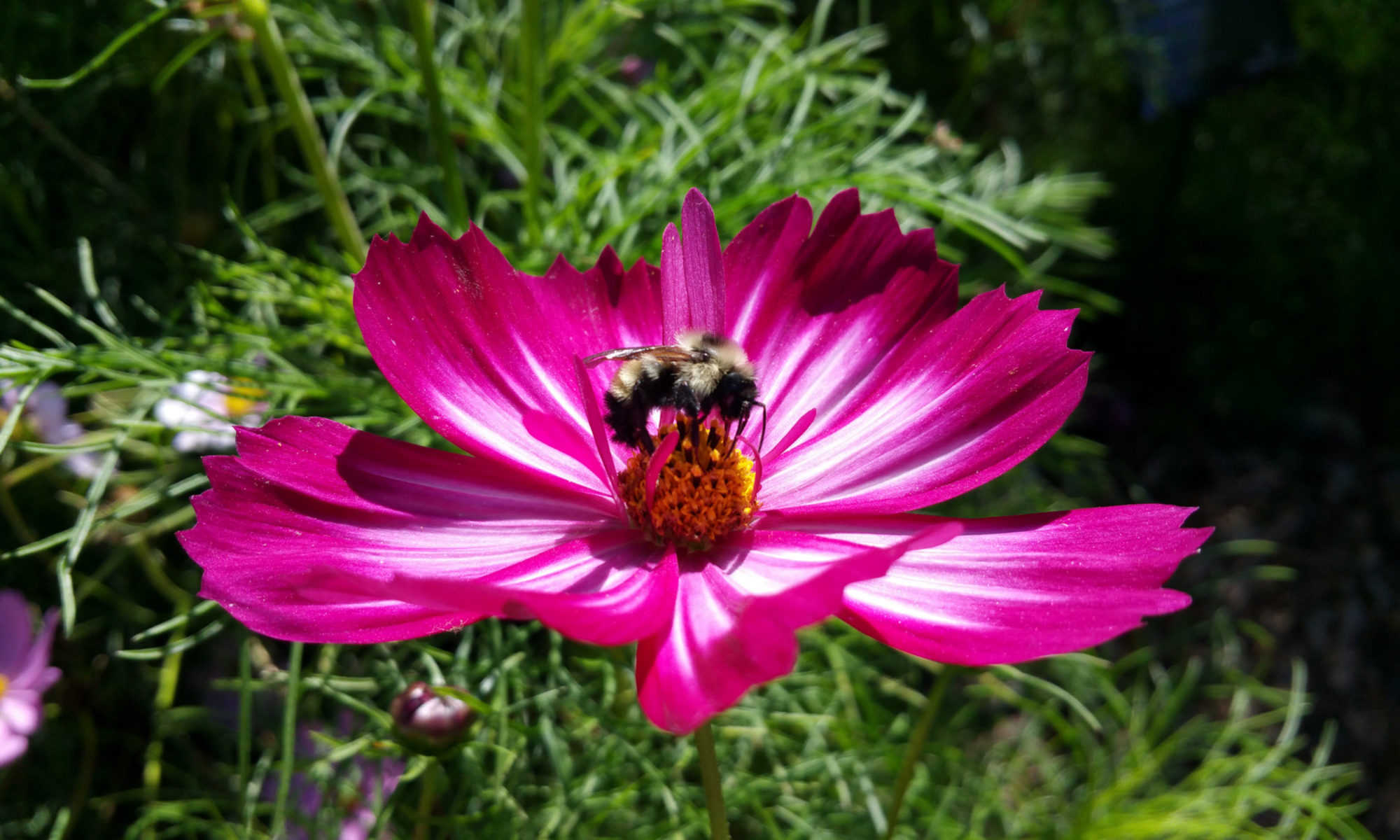
Here’s a sampling of my best floral photos from this year. A majority of the photos were taken in Maine and Florida, using my Samsung Epic, Mororola Photon or Fuji FinePix S1800.

Which image is your favorite?

Creating a Rockin’ Presentation for #COMM2322

In Public Relations Applications this semester, students will be delivering five-minute presentations on an assigned public relations field or industry. Three students are assigned to each chapter; they can divide up the material in the chapter as they see fit.

The subject areas are:

  • Events & promotions
  • Global public relations
  • Corporate public relations
  • Entertainment, sports & tourism
  • Government & politics
  • Nonprofit, health & education

We want to be sure to avoid the dreaded Death by PowerPoint, so ably described by comedian Don McMillan below.

Instead, we will aim for presentations that are more like the TED Talks, with slides to accompany them as Jesse Desjardins describes in “Steal This Presentation!

STEAL THIS PRESENTATION!

View more presentations from @JESSEDEE
In class on October 27, we’re discussing how their favorite movies can make them better public speakers. (For example, I learned in The Wizard of Oz that being the loudest one in the room — the Wicked Witch of the West — doesn’t necessarily make me a speaker who people want to listen to.) Students will share their thoughts in the comments below.

The Southeastern Times, September-October 2011 Edition

Southeastern University presents its newest edition of the Southeastern Times for Fall 2011.

Southeastern Times

Feature Story Package #1 Planning

For COMM 2423: A Reminder of the Assignment Requirements (found in your syllabus)

Report, source, write, edit and post one news story on an approved topic. The article must have or rely upon at least three human sources. The more timely, the better, and the story should hit demonstrate impact or consequence. Beware, however, of conflicts of interest. This means avoiding friends, family members and business associates as sources, and stories that could materially affect those companies and entities with which you are affiliated.

Post with the story the questions you asked your sources, a list of the facts you checked and verified, and a list of the sources you attempted to contact (not merely those you were able to include in your story). Also identify your intended audience(s).

As you are completing this assignment, think about what might be added to your main story for publication online, including multimedia and interactive features. Because online you would have all the space you would need, consider the range of added features that could be developed, including fact boxes, a FAQ list, a podcast or video extra, interview notes and transcripts, maps, charts, a glossary, slideshow, animated graphic, poll, related stories and opinion, and perhaps an area where readers can contribute reactions, story ideas, photos and comments. For Feature Story #2 you will add at least one photo and two other multimedia/interactive elements that might make a strong story package online. (For Feature Story #1, one photo is the only multimedia element required.)

A College Student’s Guide to Getting Started with Twitter

Image Credit: "Montreal Twestival 2009 Cupcakes" by Clever

This week, spend some time learning on your own about using Twitter. Here are a few ways to learn. We’ll talk more about Twitter next week in class. Be sure to follow the directions in Step 4 so you “take attendance” for class this week; you can send the required tweet/message anytime before midnight on Saturday.

Step 1: Watch

If you haven’t seen it already, watch Twitter in Plain English, made by the folks at Common Craft:

Step 2: Watch

Then watch the Inbound Marketing University webinar titled “Twitter for Business,” led by Laura Fitton (@pistachio on Twitter) OR “Twitter for Business” led by Paul Gillin (@pgillin on Twitter). You don’t have to watch both, unless you’d really like to see two different perspectives on using Twitter.


Twitter for Business from Paul Gillin on Vimeo.

Step 3: Read

Read my post 10.5 Ways for PR Students to Get the Most Out of Twitter.

Step 4: Subscribe

Set Up Your Twitter Account

  1. Go to Twitter. Click Get Started, and sign up. I prefer it if you use some version of your first and last name as your Twitter ID. (Avoid putting numbers in your Twitter ID, or you may appear like a spammer.)
  2. Upload a photo or avatar.
  3. Write a brief (160-character or fewer) bio. It’s good to mention that you’re a PR student. Consider mentioning your university.
  4. Send a tweet saying “I’m a student in @barbaranixon’s #COMM2322 /#COMM2423”. (Use the correct number for your class.) Be sure to include the #xxx1234 indicator, with no spaces between the hashtag (#), letters and numbers. It is by you sending this tweet that I will “take attendance” on Monday/Tuesday.

Step 5: Follow

Follow the people I recommend in my Starter Pack for PR Students list:  — at least for the duration of this semester. I will also create lists for students in each of my classes (but I cannot do this until I have all your Twitter IDs.)

Additional Information

  1. If you already have a Twitter account that you use primarily for social (not educational or professional) reasons, you may wish to create a fresh, new account for this class and professional reasons.
  2. Review your notes on Twitter: What’s In It For Me (a presentation I shared in class with you in September).
  3. Review my tips on Choosing Whom to Follow on Twitter: My Strategy.
  4. Review Prof. Sam Bradley’s College Student’s Guide: Twitter 101.
  5. Review The Anatomy of a Tweet: What Do All Those Symbols Mean?
  6. I find using the web interface for Twitter to be clunky. I prefer using TweetDeck, a free Adobe Air app that works great on PCs and Macs. TweetDeck makes it really easy to send URLs via Twitter, as it automatically shortens them for you.
  7. I’ll occasionally post information on Twitter and use the hashtag for your class (#COMM2322 or #COMM2423).By using this hashtag, I’m indicating that I want students in this class to pay special attention to the tweet.
  8. If you’d like to publicize your blog posts via Twitter, you can it automatically in WordPress.

If you’re a college student, especially a college student majoring in public relations, I’d love to hear how you have benefitted by using Twitter.

7 Things Professors Need to Know About Social Media NOW

As part of Southeastern University‘s Best Ideas series, I am leading a social media workshop on September 26.

Bookmarks to sites mentioned in the presentation are listed in my Diigo (social bookmarking) account.